In this guide
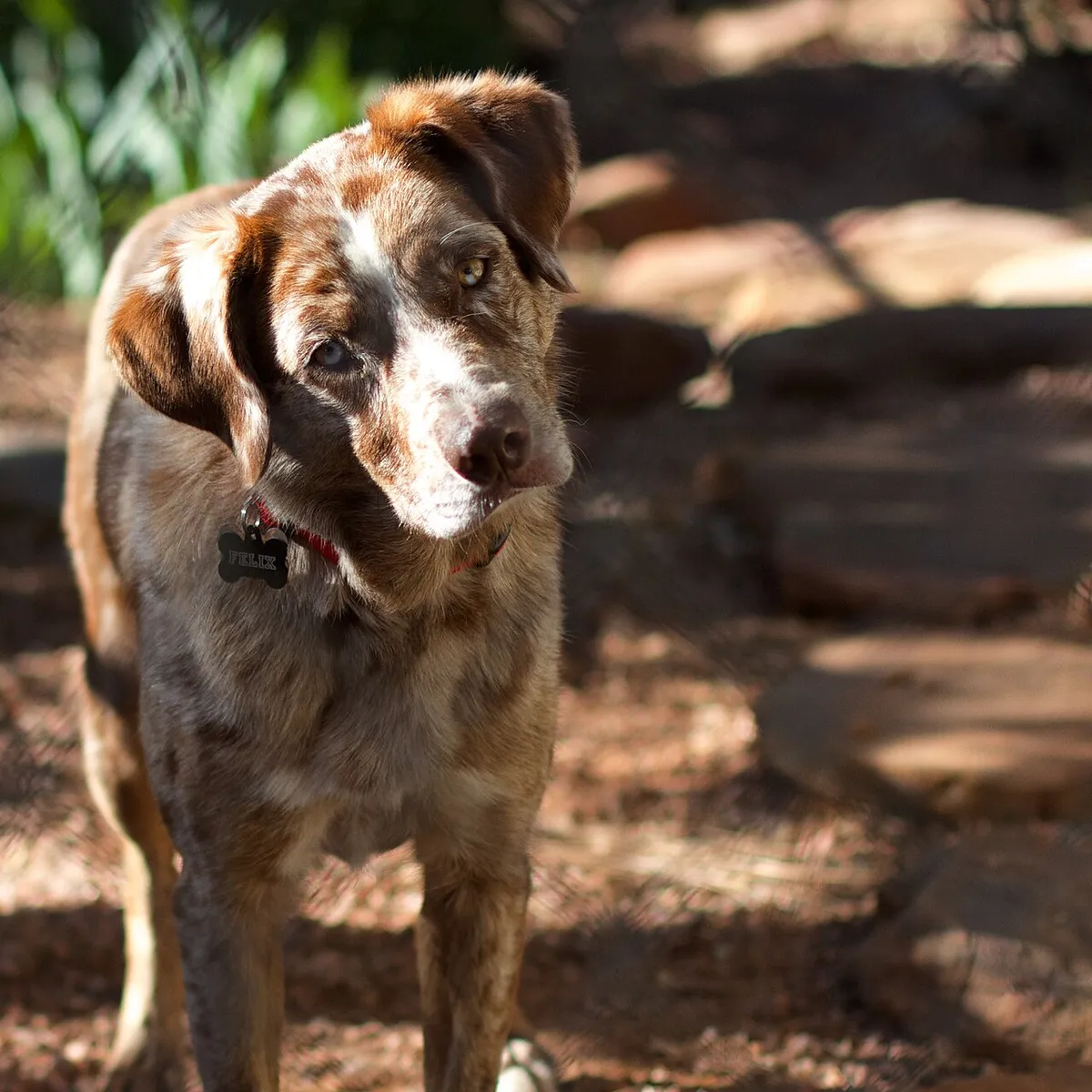
When your dog tilts their head while you talk, they’re usually listening hard — trying to place the sound and pick out words they know. A tilt that stays, or comes with head shaking, ear scratching, a smell, wobbling or circling, is different: it can be an ear infection or a balance problem, and it needs a vet.
The cute tilt: why dogs do it
Nobody knows for sure, but these are the main ideas:
- To locate sounds. Moving the ears changes how sound reaches each one, which helps the brain work out direction.
- To catch familiar words. In a small 2021 study, dogs that knew the names of many toys tilted their heads more often when they heard a toy name — a sign of concentrating.
- To see around their muzzle. Long-nosed dogs may tilt to get a better view of your mouth and face.
- Because it works. Many owners laugh, talk more or give a treat, and dogs repeat what gets rewarded.
Cute tilt or warning sign?
| Normal tilt | See the vet |
|---|---|
| Comes and goes with sounds or your voice | Stays tilted even when nothing is happening |
| Dog is relaxed and acting normal | Head shaking, pawing or rubbing the ear |
| Ears look and smell clean | Redness, swelling, discharge, a yeasty or bad smell |
| Walks normally | Wobbling, falling, circling, leaning to one side |
| Eyes steady | Eyes flicking side to side, or a droopy face |
The most common cause: ear infections
Dogs’ ear canals are long and L-shaped, so moisture and debris get trapped. Ear infections are especially common in:
- Floppy-eared breeds like retrievers, spaniels and Basset Hounds — see our Golden Retriever and Labrador guides
- Dogs that swim or get bathed often without drying the ears
- Dogs with allergies (itchy ears often go along with itchy paws — see why paws smell like corn chips)
Signs include head shaking, scratching, a smell, dark or yellow discharge, redness and pain when you touch the ear. Your vet will look inside with an otoscope and may test a sample to choose the right medicine.
Balance problems (vestibular disease)
The inner ear also controls balance. When it’s affected, dogs can suddenly develop a head tilt, stumble, circle, vomit and have flicking eyes. In older dogs this can be “old dog vestibular disease,” which often improves within days to weeks — but it looks a lot like other serious problems, so always see a vet the same day.
What you can do at home
- Check ears weekly: they should look light pink and smell neutral.
- Dry ears after swimming and baths with a soft towel (no cotton swabs deep in the canal).
- Don’t put drops or cleaners in a sore ear until your vet has checked the eardrum.
- Keep up with grooming — see how often to bathe your dog.
Frequently asked questions
Do dogs tilt their heads to hear better?
That’s one of the leading ideas. Tilting may help dogs work out where a sound is coming from and pick out familiar words. It may also help some dogs see your face around their own muzzle.
Do smart dogs tilt their heads more?
A small 2021 study of dogs that had learned the names of many toys found they tilted their heads more often when hearing a familiar toy name. It suggests tilting is linked to paying close attention, but it doesn’t mean dogs that don’t tilt are less smart.
What does a constant head tilt mean?
A head tilt that doesn’t go away can come from an ear infection, something stuck in the ear, a problem in the inner ear’s balance system (vestibular disease) or, less often, the brain. It needs a vet visit.
Can I clean my dog’s ears at home if they tilt their head?
Don’t put anything in the ear until your vet has looked. If the eardrum is damaged, some cleaners can cause harm. Your vet will check and recommend the right cleaner or medicine.
Sources
- American Kennel Club — Why Do Dogs Tilt Their Heads?
- Merck Veterinary Manual — Disorders of the Outer Ear in Dogs
- VCA Animal Hospitals — Ear Infections in Dogs
We summarize what these organizations publish in plain English. How we write and check our guides.
Photo: “2016-366-105 "I'm Really Trying to Figure You Out" (26345464032)” by cogdogblog, CC BY 2.0, cropped.

Not a substitute for your vet
This guide is general information for healthy adult dogs. Every dog is different — age, size, allergies and health conditions all matter. Ask your veterinarian before changing your dog’s diet or care.
Possible poisoning? US: ASPCA Animal Poison Control (888) 426-4435 or Pet Poison Helpline (855) 764-7661 (fees may apply). Elsewhere: call your vet or nearest emergency animal hospital right away.
 Up next Dog Gum Color Chart: What’s Normal and What’s an Emergency
Save this for later — pin it to your dog board so you can find it fast.
Pin itKeep reading
-
How Short Should Dog Nails Be?
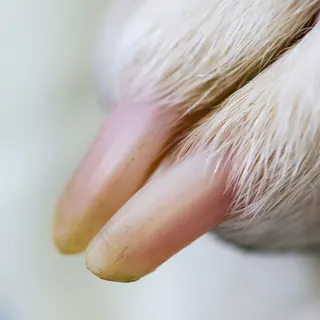
Dog nails should not touch the floor when your dog stands. How to check, how to trim without hitting the quick, and how often to do it.
Click-click on the floor = too long -

How to Keep Your Dog Cool in the Heat
The 7-second pavement test, safe walking times, which dogs overheat fastest and the signs of heatstroke — for US and Australian summers.
7-second pavement test before walks -
Why Do Dog Paws Smell Like Fritos?
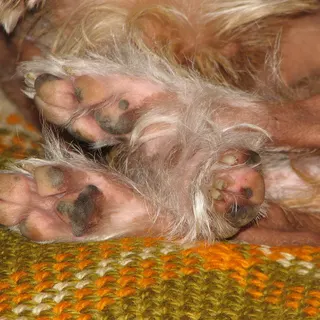
That corn-chip smell from your dog’s paws is usually normal bacteria and yeast. Here’s why it happens, how to keep paws clean and when to call the vet.
Usually normal bacteria & yeast