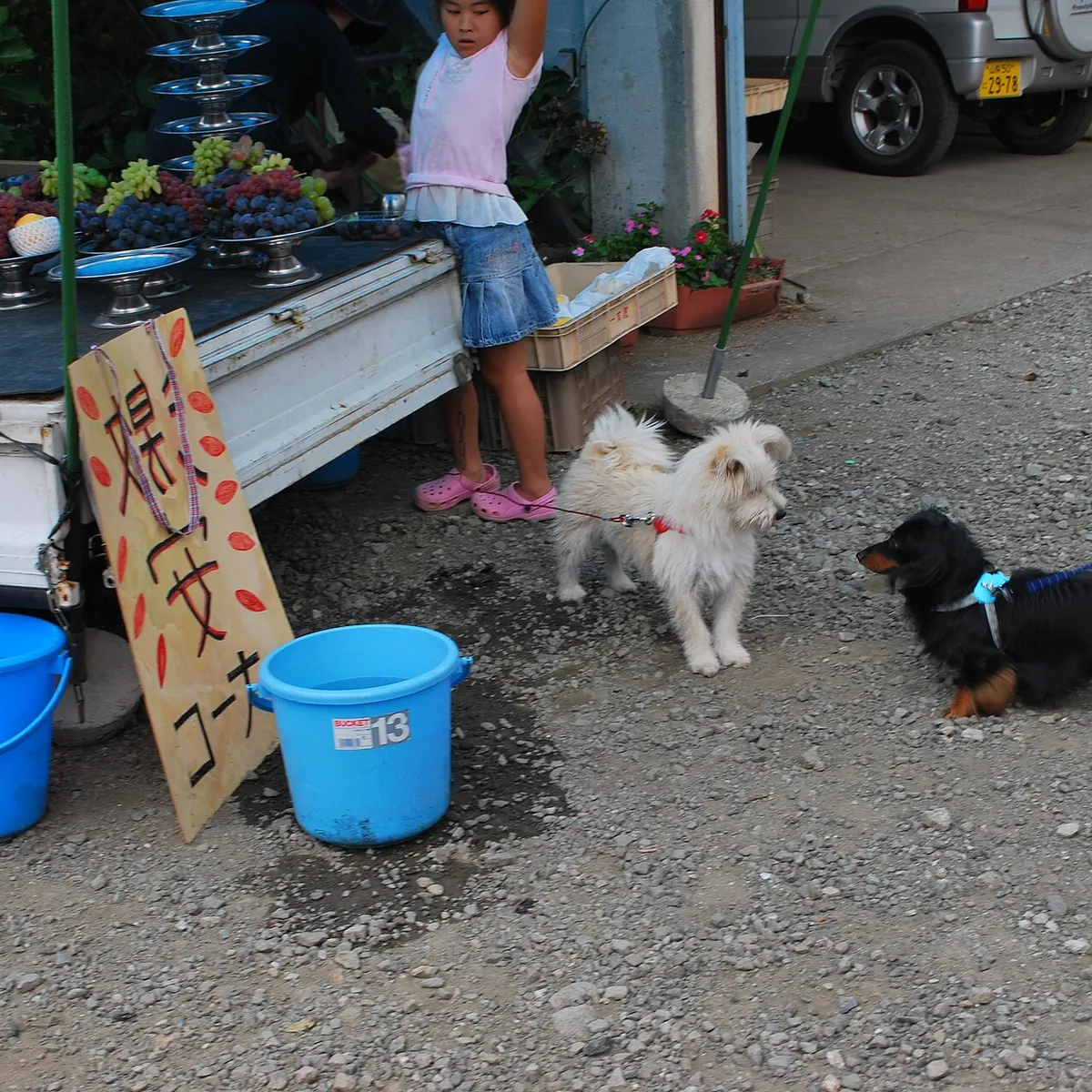
Grapes, raisins, currants and sultanas can cause kidney failure in dogs. There is no known safe amount. If your dog ate any, call your vet now.
In this guide
No — dogs should never eat grapes. Grapes, raisins, currants and sultanas can cause sudden kidney failure in dogs, and nobody knows a safe amount. If your dog just ate one, call your vet now instead of waiting for symptoms.
It usually happens in a second: a grape rolls off the counter and your dog snaps it up. Grapes are a healthy snack for people, but for dogs they’re on the short list of foods vets treat as a real emergency.
Why are grapes dangerous for dogs?
Grapes and raisins can cause acute kidney injury in dogs — the kidneys suddenly stop working properly. In severe cases, this can be fatal.
For years, nobody knew exactly which part of the grape was the problem. Current research points to tartaric acid, a natural compound found in grapes, as the most likely cause. Dogs seem to be much more sensitive to it than people. The amount of tartaric acid varies from grape to grape and batch to batch, which may explain why one dog eats a handful without trouble while another becomes very ill after a few.
What matters for you as an owner: you can’t predict how your dog will react. That’s why vets say there is no safe amount.
Which grape products are risky?
Treat all of these the same way (grapes are one of the 7 foods your dog should never eat):
- Fresh grapes — red, green, black, seedless or with seeds, organic or not
- Raisins, sultanas and currants
- Grape juice, jam and jelly
- Baked goods with raisins: raisin bread, cookies, muffins, hot cross buns, fruit cake
- Trail mix and cereal bars that contain raisins
Raisins deserve extra caution. They are dried grapes, so a small box of raisins is like a big bunch of grapes packed into a few bites.
Signs of grape poisoning in dogs
Symptoms often start within 6 to 24 hours, but they can take longer. Watch for:
- Vomiting (sometimes with pieces of grape or raisin in it)
- Diarrhea
- Loss of appetite
- Lethargy, weakness or hiding
- Belly pain (your dog may hunch up or not want to be touched)
- Drinking and peeing more than usual — and later, peeing less or not at all
- Bad breath with a chemical or ammonia smell
Don’t wait for these signs. By the time some of them appear, the kidneys may already be affected.
My dog ate grapes — what do I do right now?
- Stay calm and move your dog away from any remaining grapes or raisins.
- Work out roughly how many were eaten and when. Keep the packaging if there is one.
- Call your vet or an emergency vet clinic immediately. In the US you can also call ASPCA Animal Poison Control at (888) 426-4435 or the Pet Poison Helpline at (855) 764-7661 (a fee may apply). Elsewhere, call your vet or nearest emergency animal hospital.
- Don’t make your dog vomit at home unless a vet tells you to. Home remedies like salt or hydrogen peroxide can cause their own problems.
If you get your dog to a vet quickly, they can often make your dog vomit safely and give medicine (such as activated charcoal) to limit absorption. Some dogs need IV fluids and blood tests over the next couple of days to protect and monitor the kidneys. Early treatment makes a big difference.
How to prevent it from happening
- Keep grapes and raisins in the fridge or a closed cupboard, not in an open fruit bowl at dog height.
- Teach kids that grapes are “people only” food — little hands drop a lot of snacks.
- Be careful at parties, picnics and holidays, when fruit platters, cheese boards and fruit cake are everywhere — see our Thanksgiving food guide for dogs.
- Check labels on granola bars, cereals and baked goods before sharing anything.
- Practice a solid “leave it” cue. It’s the single most useful kitchen command.
Safer fruits your dog can enjoy instead
If your dog loves a fruity snack, try these in small amounts instead (always plain, washed and cut to a safe size):
- Blueberries — tiny, crunchy and easy to share
- Apple slices — remove the core and seeds
- Seedless watermelon — no rind, no seeds
- Banana — a few slices, as an occasional treat (how much banana is OK)
- Strawberries — sliced, in moderation
Treats, including fruit, should make up no more than about 10% of your dog’s daily calories. Want the full list? See our guide to human foods dogs can eat.
Frequently asked questions
How many grapes are toxic to a dog?
No one knows a safe number. Some dogs eat a handful with no problem, while others develop kidney failure after just a few. Because the reaction is unpredictable, vets treat any amount as a possible emergency.
My dog ate one grape and seems fine. What should I do?
Call your vet or an animal poison hotline anyway. Symptoms can take hours to appear, and early treatment (often making the dog vomit) works best before signs show up.
Are raisins worse than grapes?
Raisins are more concentrated, so a small handful contains the 'dose' of many grapes. Treat raisins, currants and sultanas exactly like grapes — never safe.
Is grape jelly or grape juice safe for dogs?
No. Avoid anything made from grapes, including juice, jam and jelly. Many of these products also contain lots of sugar, and some contain xylitol, which is also toxic to dogs.
Can dogs eat foods baked with raisins, like bread or cookies?
No. Raisin bread, trail mix, cookies, hot cross buns and fruit cake can all contain enough raisins to be dangerous. Keep them well out of reach.
Sources
- Pet Poison Helpline — Grapes
- Pet Poison Helpline — Raisins
- ASPCA Animal Poison Control Center
- ASPCA — People Foods to Avoid Feeding Your Pets
We summarize what these organizations publish in plain English. How we write and check our guides.
Photo: “激安コーナー (2878033473)” by nakimusi, CC BY 2.0, cropped.

Not a substitute for your vet
This guide is general information for healthy adult dogs. Every dog is different — age, size, allergies and health conditions all matter. Ask your veterinarian before changing your dog’s diet or care.
Possible poisoning? US: ASPCA Animal Poison Control (888) 426-4435 or Pet Poison Helpline (855) 764-7661 (fees may apply). Elsewhere: call your vet or nearest emergency animal hospital right away.
 Up next 7 Foods Your Dog Should Never Eat (Part 1)
Save this for later — pin it to your dog board so you can find it fast.
Pin itKeep reading
-
15 Human Foods Dogs Can Eat
Chicken, carrots, blueberries, pumpkin and more: 15 everyday foods that are safe for most dogs, with portion tips and the mistakes to avoid.
Plain, small amounts, ≤10% of calories -
Thanksgiving Foods Dogs Can Eat
Turkey, stuffing, mashed potatoes, pie: a plate-by-plate chart of which Thanksgiving and holiday foods are safe for dogs and which to keep away.
Plain turkey yes · stuffing & bones no -
Can Dogs Eat Cheese?
Most dogs can have small pieces of plain cheese. Which cheeses are better, which to avoid, how much to give and when cheese is a bad idea.
Pea-sized pieces of plain cheese